
medical bio-waste incineration stands as a cornerstone technology in the comprehensive management of hazardous and infectious waste generated by healthcare activities. From understanding the fundamental principles of how medical waste incinerators operate at high temperatures to destroy pathogens and hazardous compounds, to examining the various types of incinerators such as controlled air, excess air, and […]
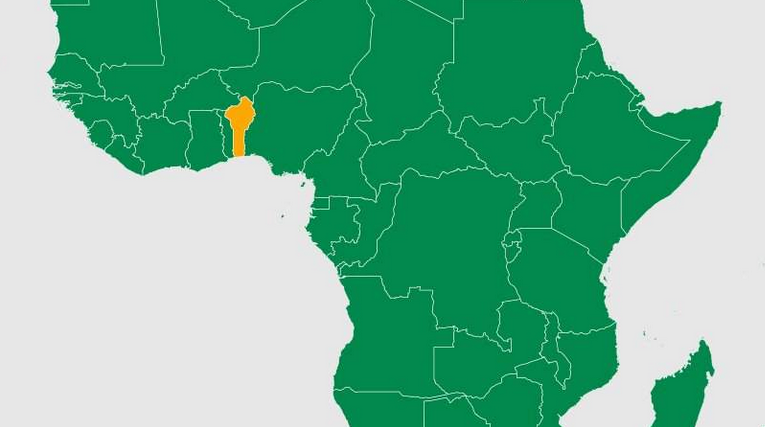
Benin, a West African country with a growing healthcare system, has increasingly recognized the need for safe and sustainable medical waste management. Medical waste incineration remains a key method of disposal, especially in rural and semi-urban areas where other infrastructure such as autoclaves or centralized waste treatment plants are limited. Current Usage of Medical Waste […]

In recent years, the demand for private pet cremation and aftercare services in Australia has grown significantly, especially in urban centers like Brisbane, Sydney, and across Queensland. As pet ownership rises and attitudes toward pet aftercare shift toward dignity and personalization, more families are seeking respectful, environmentally responsible solutions for their beloved animal companions. Pet […]

While medical bio-waste incineration offers significant benefits in terms of waste sterilization and volume reduction, its operation is not without environmental considerations. The high-temperature combustion process, if not properly managed and controlled, has the potential to release pollutants into the atmosphere and generate residual ash that requires careful handling. Therefore, a critical aspect of responsible […]

The operation of medical bio-waste incinerators is not undertaken in a vacuum; it is governed by a complex and stringent regulatory landscape designed to protect public health and the environment from the potential hazards associated with both the waste itself and the incineration process. These regulations, which vary by jurisdiction but share common goals, dictate […]
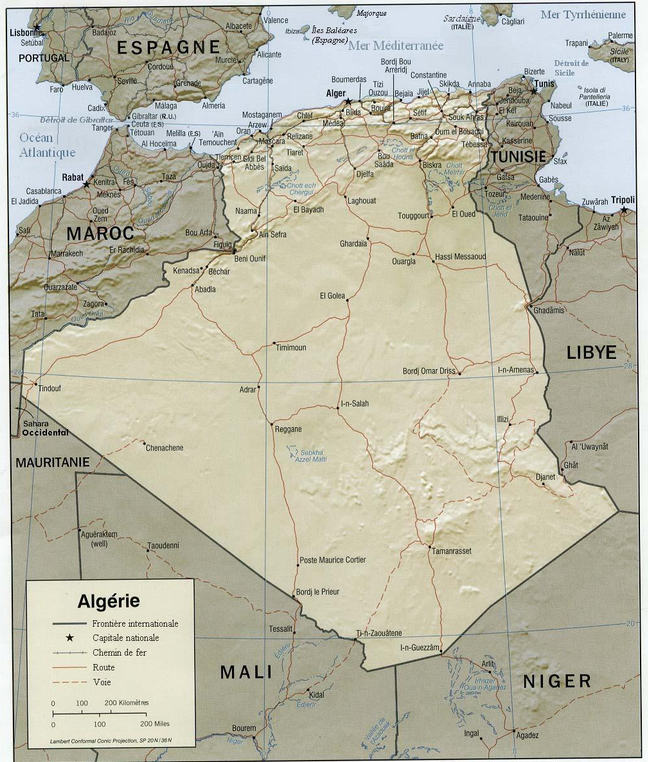
L’utilisation des incinérateurs médicaux en Algérie : état actuel et solutions modernes Introduction L’Algérie, en tant que l’un des plus grands pays d’Afrique du Nord, fait face à une augmentation significative des déchets médicaux générés par les hôpitaux, cliniques, centres de santé et laboratoires. La gestion de ces déchets biomédicaux dangereux représente un défi de […]

In regions affected by war, poverty, or limited infrastructure, effective and safe disposal of medical waste is critical to prevent the spread of disease and protect public health. Médecins Sans Frontières (MSF), also known as Doctors Without Borders, has been at the frontline of humanitarian aid in countries like Iraq, Afghanistan, and Somalia. In their […]

Market Analysis: Small-Capacity Medical Waste Incinerators in West Africa and Gulf of Guinea Region 1. Overview of Demand West Africa and Gulf of Guinea countries—including Nigeria, Ghana, Côte d’Ivoire, Togo, Benin, Liberia, Sierra Leone, Guinea, and Cameroon—face ongoing challenges in managing medical waste, especially in rural areas and smaller health facilities. The demand for small-capacity […]

The fundamental principle behind how medical waste incinerators work revolves around controlled combustion in a specially designed chamber. The process typically involves several stages. Initially, waste is loaded into a primary combustion chamber, either manually or through an automated feeding system. Here, it is subjected to temperatures typically ranging from 800°C to 1000°C (1472°F to […]

The landscape of medical waste management is continually evolving, driven by technological advancements, increasing environmental awareness, and the ever-present need to manage healthcare waste safely and effectively. Medical bio-waste incineration, while a long-established technology, is also part of this evolution. The future of incineration is likely to be shaped by a greater emphasis on sustainability, […]

Not all medical waste is created equal, and therefore, not all of it necessitates or is suitable for incineration. However, for certain categories of medical bio-waste, incineration is not only the preferred method but often a regulatory requirement due to the high risks these wastes pose to public health and the environment. The decision to […]

Why Libya’s Oil Sector Chooses HICLOVER Incinerator 1. Containerized, Plug-and-Play Deployment HICLOVER systems are shipped fully assembled in ISO steel containers, requiring no civil foundation, enabling: Rapid deployment in remote oil fields Simple relocation between project phases Secure, weather-proof operation in harsh desert environments 2. Designed for Harsh Environments Insulated container housing prevents overheating Heavy-duty burners withstand […]